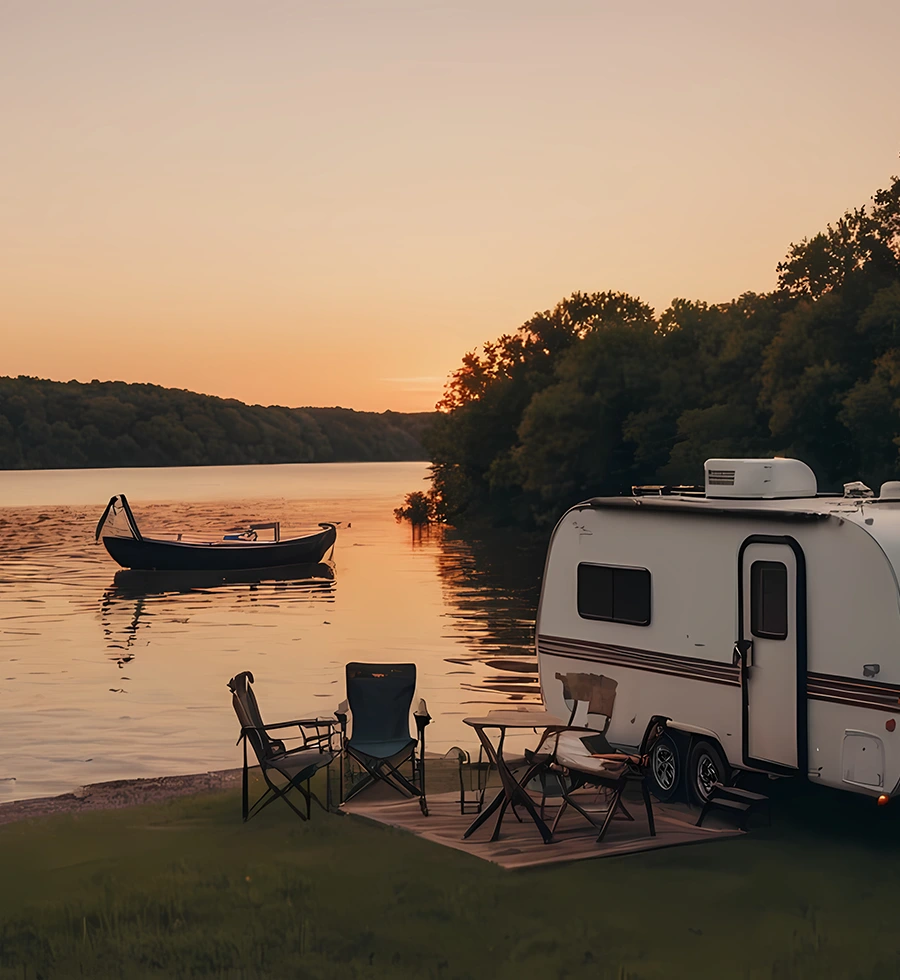

Limitless Horizons
Why road exploration offers unmatched freedom
Contemporary travel extends beyond mere displacement between destinations, transforming into a story told through asphalt ribbons and diverse landscapes. Whether commanding a classic convertible or piloting a fully outfitted camper van, each journey unveils concealed cultural layers. Every mile traversed provides a distinct geographical perspective, compelling drivers to adjust to evolving terrains while synchronizing with the road’s natural cadence.

Choose the right landscape for your getaway
Terrain dictates journey rhythm, shaping driving techniques and daily itineraries. From coastal highways to alpine passes, your selected environment transforms routine drives into immersive encounters with natural wonders and geographical diversity.

Oceanfront driving on coastal routes
Ocean breezes and serpentine clifftop roads require concentration while offering travelers expansive horizons and the rhythmic pulse of tides.

Navigating mountain passes and alpine peaks
Elevated switchbacks challenge engine capability and braking mechanisms, ascending toward pristine summits where tranquility dominates the atmosphere.

Forest trails for peaceful woodland drives
Dense foliage canopies diffuse sunlight across unpaved routes, establishing a secluded environment ideal for unhurried discovery and contemplative travel.

Strategic planning
How to craft the perfect road itinerary
Effective road expeditions require a thoughtful equilibrium between structured itinerary planning and spontaneous discovery moments. Mapping fuel stations and rest areas guarantees traveler security while maintaining flexibility for unexpected diversions toward regional landmarks or concealed valleys.
Contemporary digital navigation systems integrate real-time traffic updates with detailed topographical data, enabling drivers to calculate travel durations precisely. Nevertheless, traditional printed maps remain indispensable backup resources in remote wilderness areas where satellite signal connectivity diminishes against vast, sprawling terrains.

Design comfortable living spaces in your van
Converting cargo vehicles into livable environments demands comprehensive understanding of spatial efficiency principles. Each cubic inch fulfills designated daily living functions.
Proper insulation forms the foundational element of successful van conversion projects. Installing spray foam or wool batting between metal panels maintains comfortable interior temperatures against sweltering summers and frigid winters. Beyond temperature regulation, acoustic dampening materials dramatically minimize road vibrations, establishing peaceful sanctuaries when stationary. These preparatory measures determine overall livability standards throughout prolonged off-grid adventures and remote stays.
Plan your perfect luxury getaway with expert guidance
Selecting a high-end villa for your holiday constitutes no small undertaking: from geographical location to included amenities and desired comfort levels, every detail matters in delivering an experience that lives up to expectations. Travelers seeking exclusivity increasingly favor all-inclusive stay arrangements, which offer complete peace of mind from the first day to the last.
This proves especially true for those pursuing exceptional destinations, who turn to specialized agencies such as luxury agency Travel Paradise to find prestigious villas combining privacy, high-end service, and idyllic settings. Beyond accommodation itself, these services often include personalized support, from selecting the destination to handling every logistical detail of the trip. This approach allows travelers to focus entirely on what matters most: enjoying an exceptional setting without any hassle. Successful stays therefore remain built on careful preparation and quality guidance.

Vehicle choice
Which vehicle suits your road trip best
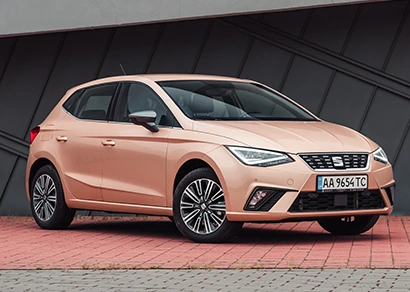
Compact hatchbacks ensure urban agility
Compact wheelbases excel at navigating narrow village streets and challenging tight parking situations efficiently.
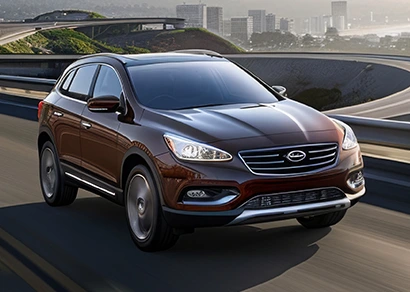
All-terrain access with capable SUVs
Elevated ground clearance combined with four-wheel drive systems unlock access to rugged, unpaved backcountry trails.
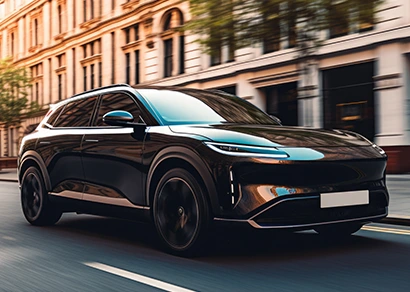
Electric cruisers deliver eco-friendly efficiency
Quiet powertrains and regenerative braking deliver smooth, environmentally conscious touring experiences for drivers.
Restful nights
Finding the right accommodation while traveling
Established campgrounds deliver security and essential amenities, providing designated plots equipped with electrical hookups and complete sanitation facilities. These organized sites cultivate community atmospheres where travelers share route advice and local attraction recommendations around evening campfires.
Alternatively, wild camping attracts those pursuing solitude within natural environments. Parking on public lands demands strict adherence to leave no trace principles, ensuring fragile ecosystems remain pristine for future visitors while delivering unmatched sunrise views.
Connect with local culture through immersive experiences
Beyond driving itself, journeys gain definition through engagements with local cultural traditions. Culinary discoveries at roadside diners or visits to regional artisans connect travelers to the human heritage embedded within landscapes.
Outdoor activities to enjoy along your route
Rest stops frequently function as trailheads for hiking, kayaking, or photography pursuits. Carrying essential gear like trekking poles or inflatable paddleboards transforms ordinary breaks into active outdoor adventure sessions.